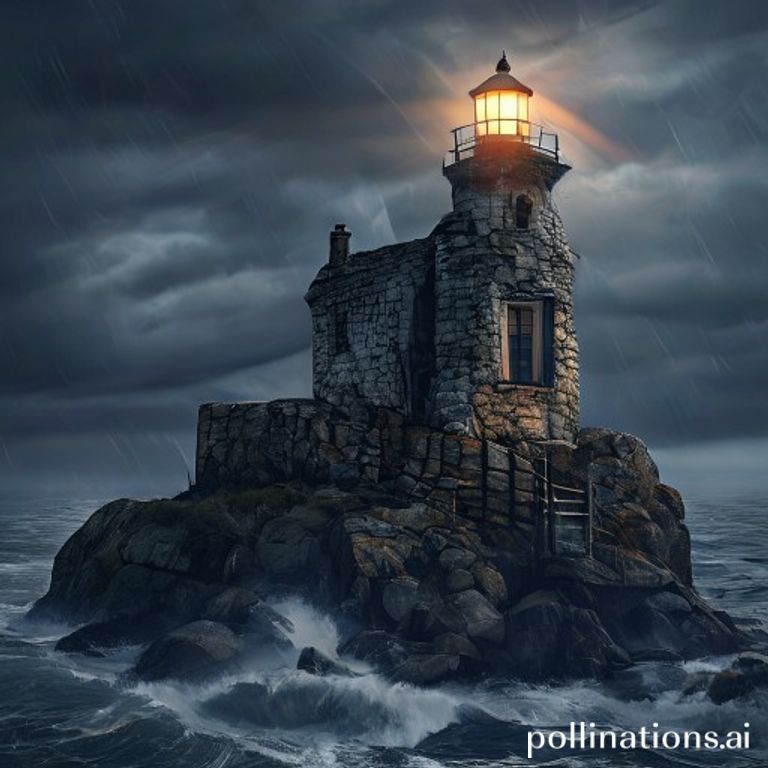
More Than Just a Beacon: Unveiling the Lives of Early Lighthouse Keepers
When we picture a lighthouse, our minds often conjure images of the towering structure itself, a solitary sentinel against the relentless sea. But behind the beam, often overlooked, lie the humble dwellings of the keepers who dedicated their lives to its operation. These aren’t just historical footnotes; the early lighthouse keepers’ homes are rich with stories of isolation, resilience, and a unique way of life that shaped coastal communities for centuries. Join us as we delve into the hidden history of these fascinating abodes.
A Life of Solitude and Duty
The primary purpose of a lighthouse keeper’s home was, naturally, proximity to the light. These homes were strategically built right alongside or attached to the lighthouse tower, ensuring immediate access in all weather conditions. Imagine waking up to the rhythmic sweep of the light, the constant roar of the ocean your only companion. This was the reality for keepers and their families. They were the guardians of the flame, responsible for maintaining the lamp, polishing the lenses, and ensuring the light never faltered. This was a 24/7 commitment, demanding vigilance and an unwavering dedication to safety at sea.
The Architecture of Isolation
The design of these homes was dictated by necessity and the harsh coastal environment. Often constructed from sturdy stone or brick to withstand gale-force winds and salt spray, they were built to be functional and durable rather than luxurious. Inside, the living spaces were typically compact, designed for efficiency. Small windows, though offering glimpses of the vast ocean, were often reinforced to prevent damage from storms. Kitchens were vital hubs, not just for cooking but for the constant task of preparing fuel for the lamp, whether it was oil or, later, kerosene. Families often lived in close quarters, with children growing up with the sea as their playground and the lighthouse as their constant backdrop.
More Than Just a Home: A Microcosm of Society
Life in a lighthouse keeper’s home was a unique social experiment. While isolated, these families were not entirely cut off. Supply boats would visit periodically, bringing provisions and mail, acting as vital lifelines. These visits were also crucial for social interaction, allowing keepers to share news and camaraderie. In some cases, the keeper’s home became a hub for the immediate area, offering a point of reference and even a safe haven during emergencies. The keeper’s wife often played a crucial role, assisting with the light’s maintenance, managing the household, and raising children in this extraordinary environment. Their contributions were as vital as the keeper’s, though often less documented.
The Enduring Legacy
As technology advanced and automated lights took over, the era of the full-time lighthouse keeper gradually faded. Many of these homes were decommissioned, some fell into disrepair, while others have been lovingly restored as museums or heritage sites. Visiting these preserved homes offers a tangible connection to a bygone era. You can almost feel the salty air, hear the echo of the foghorn, and imagine the quiet determination of the individuals who kept the light burning. The hidden history of the early lighthouse keepers’ homes is a testament to human endurance, the importance of maritime safety, and the quiet heroes who stood watch against the darkness.
Next time you admire a lighthouse, take a moment to consider the lives lived within its shadow. These structures and their accompanying homes are not just landmarks; they are stories etched in stone and salt, waiting to be discovered.